-
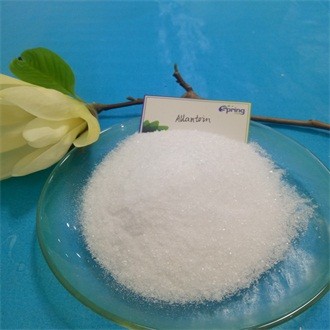
What is allantoin used for
Allantoin is white crystalline powder; slight soluble in water, very slightly soluble in alcohol and aether, soluble in hot water, hot alcohol and sodium hydroxide solution. In co...Read more -
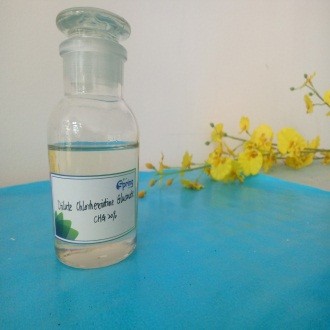
What is chlorhexidine gluconate solution
chlorhexidine gluconate is a disinfect and antiseptic medicine; bactericide, strong function of broad-spectrum bacteriostasis, sterilization; take effective for kill gram-positive bacteria gram-negative bacteria; used for disinfecting hands, skin, washing wound. ...Read more -
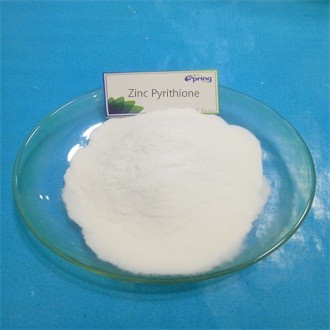
Rid Yourself of Pesky Flakes with Zinc Pyrithione
Each and everyone desires to get healthful hair, but most have different hair problems. Are you bothered by a flaky scalp problem? Though dressing up and impressive in appearance, countless dandruff is getting you down or...Read more -
What are the varieties of commonly used chemical preservatives
At present, most of the chemical preservatives used in our market are benzoic acid and its sodium salt, sorbic acid and its potassium salt, propionic acid and its salt, p-hydroxybenzoic acid esters (nipagin ester), dehydr...Read more -
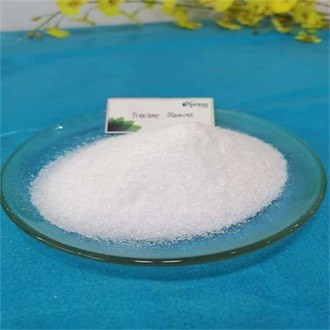
Current popular anti-dandruff materials
ZPT, Climbazole and PO(OCTO) are the most commonly used anti-dandruff materials on the market at present, we will learn them from several dimensions: 1. Anti-dandruff basic ZPT It has a strong antibacterial ability, can effectively kill the dandruff-producing fungi, with...Read more -
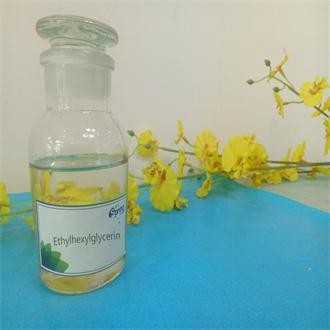
What are the factors that affect the performance of cosmetic preservatives
Preservatives are substances that prevent the growth of microorganisms within a product or prevent the growth of microorganisms that react with the product. Preservatives not only inhibit the metabolism of bacteria, mold and yeast, but also affect their growth and reprod...Read more -
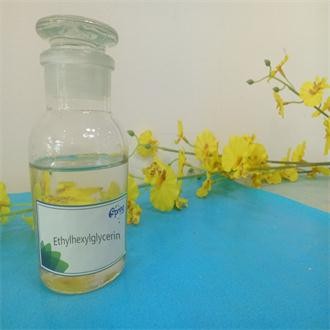
Introduction and summarization of cosmetic preservatives
The design of the cosmetic preservative system should follow the principles of safety, effectiveness, pertinence and compatibility with other ingredients in the formula. At the same time, the designed preservative should try to meet the following requirements: ①Broad-spe...Read more -
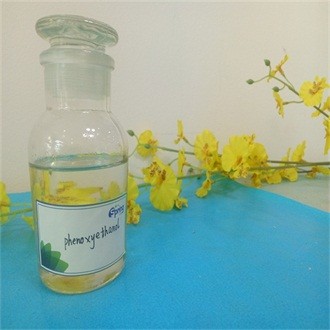
The advantages of the compound system of preservatives
Preservatives are indispensable food additives in the food industry, which can effectively inhibit the reproduction of microorganisms and prevent food spoilage, thus improving the shelf life of products. Nowadays, many consumers have a certain misunderstanding of preserv...Read more -
Antiseptic wipes
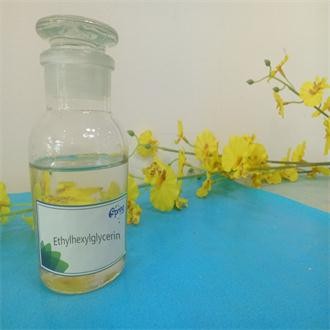
Wipes are more susceptible to microbial contamination than typical personal care products and therefore require high concentrations of preservatives. However, with consumers' pursuit of product mildness, traditional preservatives including MIT&CMIT, formaldehyde sust...Read more -
Chlorphenesin
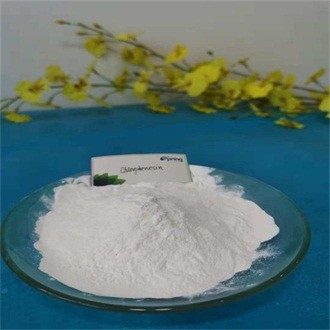
Chlorphenesin (104-29-0), chemical name is 3-(4-chlorophenoxy)propane-1,2-diol, is generally synthesized by the reaction of p-chlorophenol with propylene oxide or epichlorohydrin. It is a broad-spectrum antiseptic and antibacterial agent, which has antiseptic effect on G...Read more -

The supervision and management of children’s cosmetics regulations
To regulate children’s cosmetics production and business operation activities, to strengthen the supervision and administration of children’s cosmetics, to ensure the safety of children to use cosmetics, according to the regulations on the supervision and administration of cosmetics a...Read more -

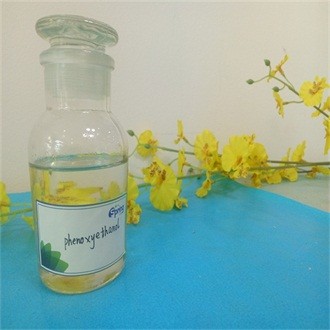
Is phenoxyethanol harmful to the skin?
What is phenoxyethanol? Phenoxyethanol is a glycol ether formed by combining phenolic groups with ethanol, and it appears as an oil or mucilage in its liquid state. It is a common preservative in cosmetics, and can be found in everything from face creams to lotions. Phen...Read more



